
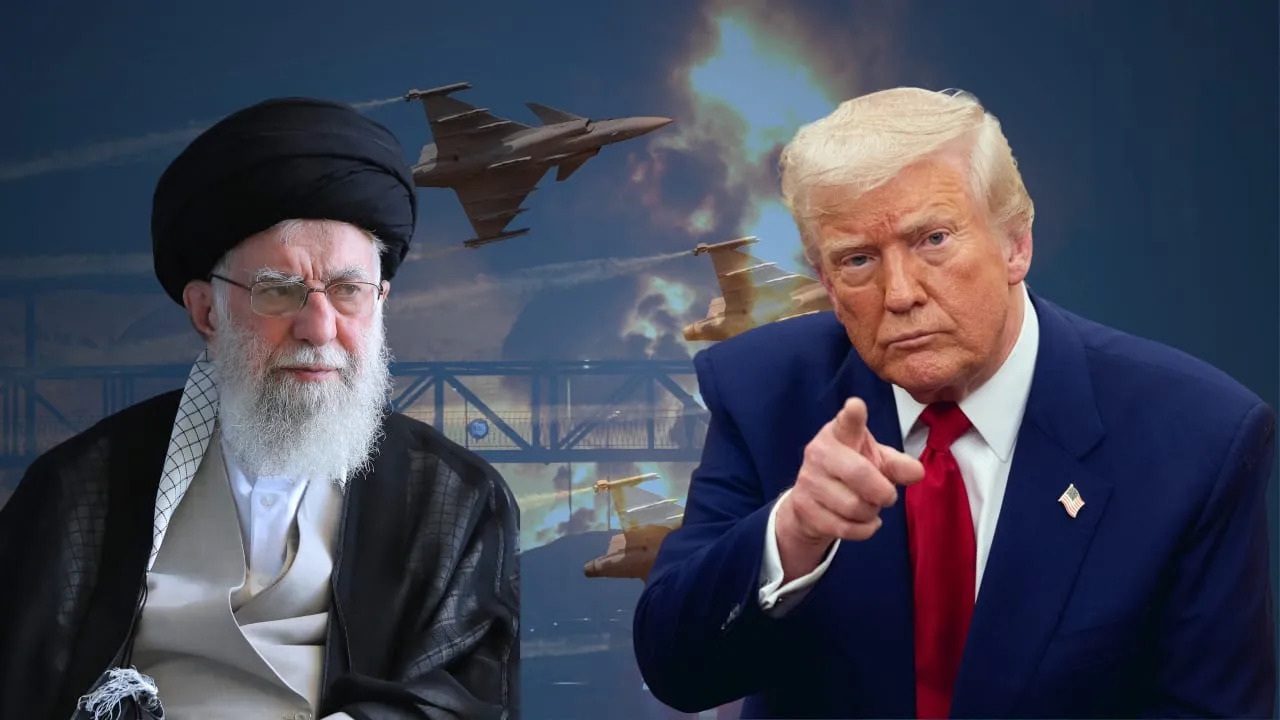
The ongoing US-Israel military campaign against Iran has escalated significantly in early 2026, marked by airstrikes and the shocking reported assassination of Supreme Leader Ayatollah Ali Khamenei. In response, Iran has launched retaliatory attacks on Gulf states and commercial shipping. This fervent conflict not only highlights tensions in the Middle East but also sheds light on the deep divisions within Africa itself.
Reactions across the African continent reveal stark contrasts, illustrating long-standing geopolitical, economic, and ideological fault lines. These splits echo earlier responses to events such as the Ukraine conflict and crises in Gaza, revealing the complexities of the Global South’s stance on issues of war and diplomacy.
Anti-Iran Sentiment in the Horn of Africa
Countries in the Horn of Africa, including Ethiopia, Kenya, Somalia, and Somaliland, have adopted a resolute anti-Iran stance, condemning both Tehran’s actions and its retaliatory strikes. The rationale behind their positions stems from pragmatic economic calculations. These nations heavily rely on remittances from millions of migrant workers employed in Gulf states, particularly Saudi Arabia and the UAE.
This economic dependency influences their political alignments, compelling them to favor stability over ideological solidarity. The burgeoning economic ties with Gulf monarchies and their close connections to broader US and Israeli networks further solidify this alignment. Additionally, the strategic importance of the Red Sea in current geopolitical rivalries adds to their incentive to support the US-Israel side.
South Africa and the Call for Multilateralism
In contrast, South Africa’s response, under President Cyril Ramaphosa, has invoked principles from the UN Charter, openly criticizing unilateral military actions without clear justification or Security Council mandates. South African leaders have framed such strikes as violations of international law, echoing sentiments from other nations like Senegal, where leadership warned about the severe implications of disregarding state sovereignty.
This positioning aligns with South Africa’s commitments within BRICS, which fosters a tradition of anti-imperial rhetoric and emphasizes the importance of multilateral engagements.
Cautious Responses from West Africa
Nations including Nigeria, Ghana, and other members of the Economic Community of West African States (ECOWAS) have opted for a more measured approach. They have advocated for de-escalation and dialogue without allocating blame to any party. This approach is rather reflective of Africa’s economic vulnerabilities and the desire to avoid entanglement in conflicts that could exacerbate existing domestic issues.
The African Union has similarly expressed concerns about potential ramifications on global energy markets, food security, and the overall economic landscape of African nations. The continent remains divided, lacking a united front amidst its 54 individual stances—often nuanced or absent altogether.
Iranian Proxies and Security Implications
The conflict poses significant security concerns, particularly regarding fears of Iranian proxies and opportunistic attacks in fragile regions such as the Sahel. Iran has established various ties to military juntas in countries like Mali, Burkina Faso, and Niger, raising alarms about potential spillover effects.
The ongoing war threatens to intensify existing proxy dynamics in the Red Sea and Horn of Africa, complicating conflicts in Sudan, Somalia, and Ethiopia. Rather than creating new divisions, this conflict amplifies Africa’s pre-existing geopolitical fractures, with economic self-interest often outweighing notions of pan-African solidarity.
Russia’s Role and Diplomatic Stance
Amidst this turmoil, Russia has positioned itself against the US-Israel military campaign, issuing strong rhetorical condemnations while simultaneously calling for de-escalation and diplomatic approaches. The Russian Foreign Ministry has labeled the strikes as unprovoked acts of aggression against a sovereign state, criticizing the manner in which these actions violate multiple tenets of international law.
Despite proclaiming support for Iran, Russia has refrained from engaging militarily. This measured involvement is predominantly linked to Russia’s ongoing commitments in Ukraine, where its focus has limited its capability to project power elsewhere. Instead, Russia seems to be pursuing a strategy of “strategic hedging,” finding a balance between condemning Western actions while avoiding a direct confrontation.
The Complex Web of Global Implications
While Russia continues to provide rhetorical support for Iran, its actions suggest an intent to maintain a careful distance amid escalating tensions. As the conflict unfolds, many African nations watch closely, mindful that any indirect impact could exacerbate their economic situations through increased energy costs and supply chain disruptions.
Through these fluctuating dynamics, African responses remain fragmented, driven more by self-interest and regional allegiances than by a cohesive strategy. As the world watches and assesses the broader implications of the US-Israel military actions in Iran, the continent must navigate its complex internal divisions while confronting potential external shocks.